No Nicab by 2030
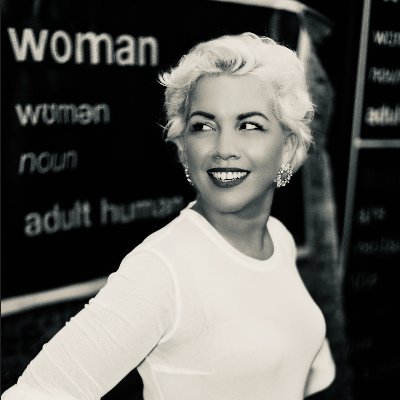
The Spaces convened by Kelly Jay, a UK-based women’s rights campaigner behind Let Women Speak, amplified testimonies from women—primarily from Saudi Arabia and the broader Middle East—about coercion to wear the niqab and the wider ecosystem of control surrounding women’s lives. Speakers detailed family-enforced veiling, threats, violence, honor killings, home confinement, and barriers to education and work, contrasting these with official claims of choice. Views differed on root causes: some blamed patriarchal interpretations of Islam and state complicity, others emphasized tribal customs and societal pressure over religion or government policy. A recurring theme was that “choice” is illusory where refusal risks punishment or death. Concrete cases included a deadly school fire linked to dress enforcement, honor killings in Iraq, FGM reports in Northern Ireland, and guardianship constraints. Debate arose over whether to ban niqab until coercion ends versus protecting individual choice; Kelly argued for bans and penalties targeting coercers, alongside shaming of male enforcers and appeals to religious leaders to denounce confinement. The host moderated tightly to prioritize women’s voices, planned further Spaces, and committed to publishing anonymized testimonies to sustain global solidarity and policy attention.
Overview
A Twitter Spaces session hosted by Kelly Jay (UK-based women's rights campaigner and founder of “Let Women Speak”) convened women—primarily from Saudi Arabia and across the Middle East and North Africa—to speak about the niqab (face veil) and broader systems of control. The host set a narrow focus on the niqab as a symbol and instrument of women’s subjugation, while allowing related issues (mobility, education, guardianship, violence) to surface as integral to the lived reality. The space prioritized testimonies from women living under family and societal pressure, encouraged contributions in Arabic and English, and enforced strict moderation to prevent derailment by unrelated agendas or hostile interventions.
Format and ground rules
- Host: Kelly Jay (UK). She emphasized creating a safe platform for women to speak for themselves.
- Participation: Women were prioritized; non-Arabic speakers invited but asked to keep focus on niqab-related experiences. Arabic contributions were welcomed.
- Moderation: Men interrupting to justify niqab or derail the topic were cut off. One woman co-host assisted moderation in Arabic. The host warned that male contributions would be removed if they minimized women’s experiences or argued for coercion.
- Duration: Planned for 2 hours; extended due to high demand (many waiting to speak). Host committed to future sessions.
Host’s stance and framing
- Niqab as oppression: Kelly Jay argued that the niqab is primarily a tool of control and should be banned globally until coercion ends. She opposed the idea of “choice” under coercive conditions.
- Universalism of women’s rights: She framed women as a global constituency and rejected differentiated rights by geography or culture.
- Western context: In the UK, she described a strong visceral reaction to the niqab and asserted that international audiences largely do not find it acceptable for women to be veiled as a social norm. She called for a UK ban, comparing it to a preventive safety measure (seatbelt analogy), and pledged to confront men accompanying niqab-wearing women in public as a form of social accountability.
- Scope: While personally critical of religious mandates on women (including Islam), she welcomed devout and non-devout women to speak, stressing unity around women’s freedom.
Major themes
1) Coercion vs. “choice”
- Dominant testimony: Women repeatedly stated the niqab is “not a choice,” citing family enforcement (fathers, brothers, uncles, cousins), social shame, threats, and violence. Consequences for removing it included expulsion from home, beatings, death threats, and even killings.
- A minority view (“G,” a woman): Argued some girls choose niqab and that bans would forcefully strip those women’s freedom. Counterarguments: Under widespread coercion, “choice” lacks meaning; visible normalization of niqab expands enforcement by other families; any policy must first protect women compelled to wear it.
2) Family domination and social enforcement
- Widespread guardianship practices: Reports of male family members controlling dress, movement, schooling, and marriage—beyond legal reforms in some countries.
- Societal gaze and policing: Women described harassment for showing their faces, colorful clothing, or nonconformity. Social stigmas include labeling unveiled women as immoral.
- “Women enforcing patriarchy”: Some women act as enforcers (e.g., shaming other women), often due to internalized norms or fear.
3) Religion vs. culture: contested interpretations
- Several women and one male caller (self-identified as a Rabbi who had read the Qur’an in translation) argued full-face covering is not mandated by the Qur’an; they attributed the niqab to cultural practices, tribal traditions, or historical pragmatics (e.g., protection during raids; later politicized expansions).
- Others insisted Islam is the root problem (e.g., “Lamax”), calling Islam patriarchal and implicating governments across Muslim-majority states.
- A separate viewpoint (Lisa): Distinguished “Traditional Islam” from “Qur’anic Islam,” arguing modern practice rests on extra-scriptural traditions; urged dismantling religious claims used to control women by debating from within textual sources.
4) Government responsibility and risk
- Divergent assessments:
- Some Saudi women praised government leadership and said the issue is mainly familial; they urged families to listen to daughters.
- Others reported government complicity or passivity, including prosecution or detention of activists and insufficient legal protections.
- Enforcement gaps: Even where laws exist (e.g., reforms to guardianship), participants described authorities telling girls to “obey your father,” limited punishment for honor killings, and lack of accountability.
5) Violence and human rights abuses linked to control norms
- Honor killings (Iraq): Reported patterns of lenient sentences (e.g., ~3 years), including a widely cited case of “Cowther,” a 15-year-old murdered by father, brother, and uncle for refusing marriage to a 30-year-old cousin; police reportedly returned her to the family prior to her killing.
- Child marriage (Iraq): Assertions of legal or practical tolerance for marriages at very young ages (claims of lowered ages; examples of 12-year-olds marrying).
- FGM (Northern Ireland/UK): Caller cited ~230 cases reported by health services; few investigations/convictions; concern about lack of mandatory reporting to police.
- Domestic sexual violence: Testimonies noted abuse within homes by male relatives (brothers, fathers, cousins) despite niqab; undermining claims that niqab “prevents harassment.”
- Punitive school enforcement: Reports of girls punished (e.g., forced to stand in sun) for not wearing ultra-covering garments (“khimar”).
6) Everyday impacts of niqab and related norms
- Education and work: Niqab can limit access to jobs and schooling; community hostility discourages participation.
- Mobility restrictions: Women described “home imprisonment,” needing male chaperones, and being unable to go to mosques or markets without family.
- Health and safety hazards: Heat injuries, breathing challenges (asthma), vitamin D deficiency, difficulty identifying family members (children unable to recognize mothers), and a well-known school fire incident where girls were prevented from exiting because they were not covered—resulting in multiple deaths.
- Psychological toll: Persistent fear, depression, identity suppression, and humiliation from enforced anonymity.
7) Men’s intrusion and strict moderation
- A self-identified transgender male asked to speak; multiple women objected to male intrusion in a space about women’s enforced covering. The host removed him and criticized male fetishization of women’s oppression.
- Several men attempted to justify niqab; the host cut them off, emphasizing the space’s purpose and women’s testimonies.
8) International/Western dimension
- Iran: An Iranian-American appealed to Western feminists to stop glorifying hijab/niqab as “choice,” support women’s uprisings, and recognize systemic oppression under Islamic regimes.
- UK/Northern Ireland: Caller described local rises in girls wearing head/face coverings and FGM cases, with concerns about isolation and lack of integration. The host reiterated plans to press for a UK niqab ban and to document women’s testimonies on her website.
Regional testimonies and viewpoints
Saudi Arabia
- Multiple Saudi women: Reported family-driven coercion; social stigma; risk of violence. Some described improved legal context but poor enforcement; others credited rulers while blaming families and societal attitudes.
- “Call me” (Saudi woman; later co-host): Urged women to use anonymous accounts to speak; highlighted rural and village risks (threats of killing). Emphasized women’s fear of speaking even to other women in real life.
- A woman noted: Men claim niqab prevents rape, yet women are assaulted within homes; urged disallowing Saudi men from taking the mic due to prevalent misogyny.
- “Kawaii 1”: Worried that a ban would make families lock girls at home; host countered that religious leaders should condemn imprisoning daughters and that social shame should shift to men who restrict women.
- Another Saudi woman (“So So Sue?”) traced the niqab’s modern spread to political-religious movements and regional diffusion; emphasized traditional shaming culture (men trading insults via women’s relatives), entrenched brainwashing from school curricula (since partly removed), and health/social harms; argued bans must be paired with real enforcement.
Iraq
- Multiple Iraqi women: Reported forced hijab/niqab, beatings by fathers, and school expulsions; one recounted a friend whose father burned her tongue for refusing niqab.
- Honor killings (e.g., “Cowther”); perceived state complicity via lenient penalties.
- Reported child marriage, lowered legal ages in practice; severe pressure to conform.
- One organizer (“Rana,” running Iraqi Women: Art and War in the UK): Opposed hijab for minors, advocated art and oral history to reclaim identity, offered platforms (Radio Rana/TikTok) for women’s voices.
Syria (and diaspora in Saudi Arabia)
- Syrian woman raised in Saudi Arabia: Father allowed freer dress in Syria but enforced niqab in Saudi; underscored that men care more about social judgment than religion.
Yemen/Libya/North Africa
- Women from Yemen and Libya: Highlighted lethal risks for removing niqab; pleaded for international help.
- North Africa: Niqab pressure spreading beyond the Gulf; men threaten to stop women studying or leaving home; called for continued global conversation.
Iran (diaspora)
- Iranian-American: Called for solidarity with women resisting compulsory hijab; criticized Western neglect of Iranian women’s struggles and the romanticization of veiling.
UK/Northern Ireland
- Belfast caller: Observed increased covering among schoolgirls; highlighted 230 FGM cases with limited follow-up; worried about isolation of migrant women who lack English and rarely leave homes.
Notable incidents and examples
- School fire (Saudi Arabia): Doors reportedly shut on girls without abaya/niqab; many died—used to rebut the “choice” narrative.
- Honor killing (Iraq): “Cowther,” 15, killed by father, brother, and uncle for refusing cousin marriage; video of “celebration” after killing; minimal punishment expected.
- Domestic abuse: Beatings for removing hijab/niqab; tongue burned by father; expulsion from home; threats of death by brothers.
- Blackmail: Threats to expose photos of women’s faces used to control and humiliate.
Points of contention
- Choice vs ban: Minority insisted some women freely choose niqab; most argued systemic coercion nullifies genuine consent. Host’s stance: ban until coercion ends; punish men forcing women.
- Religion vs culture: Disagreements on whether Islam mandates niqab; some disavowed religious basis, others identified Islam itself as patriarchal. Host allowed all views but centered on women’s freedom regardless of belief.
- Government role: Dispute between praise of government reforms vs reports of prosecution of dissent and poor legal enforcement.
Proposed solutions and actions
- Legal/policy:
- Ban niqab in contexts where coercion is widespread; institute penalties for men and families who force it.
- Reform penal codes to eliminate leniency for “honor” crimes; investigate and prosecute violence against women.
- Address child marriage explicitly; ensure enforcement and protection.
- Strengthen mandatory reporting and prosecution for FGM.
- Religious/community leadership:
- Encourage imams to condemn imprisoning daughters and enforced veiling; stress sinfulness of coercion.
- Shift societal shame onto men who restrict women’s liberty.
- Support and safety:
- Build anonymous support networks; encourage women to use pseudonymous accounts to speak safely.
- Provide practical guidance and peer support to navigate family constraints without immediate confrontation.
- Create safe platforms (radio, art spaces, regular Twitter Spaces) for storytelling and solidarity.
- Public advocacy:
- Document and publish testimonies (host committed to website publication); regular sessions to normalize speaking out.
- Consider UK/EU bans to set international norms and influence travelers’ behavior.
Risks, obstacles, and needs
- Retaliation: Extreme risk of violence (including murder), home imprisonment, loss of schooling/work for defiance.
- Enforcement gaps: Laws may exist but are weakly enforced; authorities sometimes side with families.
- Social isolation: Women confined to homes; limited language skills; constrained mobility.
- Digital threats: Image-based blackmail; online harassment.
- Intersection with other abuses: Guardianship restrictions, sexual violence in homes, punitive school practices.
Memorable contributions and insights
- “Freedom to wear” vs “freedom not to wear”: Multiple women argued both directions must be protected; anything less is coercion.
- “Children can’t recognize their mothers”: The niqab’s impact on child development and safety.
- “Niqab doesn’t prevent assault”: Women assaulted despite full covering, including within homes—undermining the “protection” rationale.
- “Society over religion”: Fathers enforce norms for social approval, not piety—behavior differs by country context (e.g., relaxed on travel to Syria/abroad).
- “Seatbelt analogy” (host): Ban as preventive measure until coercion ends.
- “Women as enforcers”: Internalized patriarchy and social policing by women against women.
Host commitments and next steps
- Regular spaces: Host will convene more sessions to capture additional testimonies (noting the large waiting list).
- Publication: She will publish submitted stories on her website; aims to ensure no message is forgotten.
- UK activism: Continued push for a niqab ban; public shaming of men enforcing it.
- Open platform: Let Women Speak monthly UK gatherings (last Sunday 2–4pm) welcome all women, regardless of dress, to speak safely.
Terminology (as used/contextualized by participants)
- Niqab: Face-covering veil, typically leaving only the eyes visible.
- Hijab: Headscarf covering hair.
- Abaya: Loose outer garment.
- Khimar (as described in testimonies): An ultra-covering garment beyond hijab/niqab (local usage varies).
- Guardianship (wilaya): System where male guardians control women’s decisions (marriage, travel, etc.).
Summary assessment
- The session created a rare, moderated forum for women—especially from Saudi Arabia, Iraq, Yemen/Libya, Syria/North Africa—to share first-hand experiences of coercion and the broader ecosystem of control surrounding the niqab. While a small minority defended personal choice, the overwhelming narrative emphasized systemic pressure, family violence, and societal enforcement that deprive women of dignity, safety, health, and identity. Proposed pathways centered on legal bans with enforcement against coercers, religious/community leadership to condemn imprisoning and coercion, building safe support networks, documenting testimonies, and maintaining international solidarity to normalize women’s voices and freedom.