ZIONIST LOBBY CENSOR AND ATTACK UK DOCTORS w/ UK SUSPENDED DOCTORS
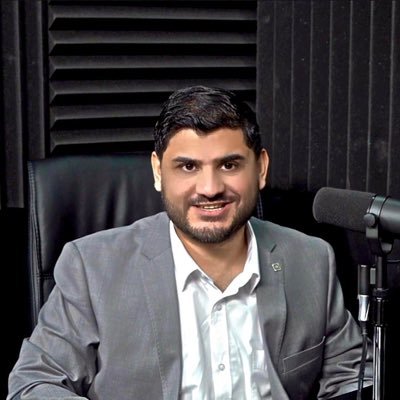
The Spaces examined censorship and professional reprisals against UK healthcare workers who voiced pro‑Palestine views, set against wider geopolitical news from Gaza and the region. Host Suleman outlined persistent throttling of the Space and alleged UK institutional capture by Zionist lobby networks. Four doctors shared detailed cases: Dr Nadeem (A&E, Royal Free) was summarily suspended over anonymous complaints about his Gaza posts; Dr Rouhana Ali (consultant neurologist) faced an unprecedented 18‑month GMC interim suspension for lawful speech before winning revocation, and is now pressing for a High Court ruling on its unlawfulness and class action against the GMC; Dr Rahma (Palestinian‑Brit surgeon trainee) was doxxed, defamed, fired, and investigated twice despite winning the first GMC case; and Dr Najma (consultant anaesthetist) was doxxed, warned locally, and placed under GMC conditions while also suspended from Scouting. Contributors Michael (ACA‑PAC, US) and Simon (finance) discussed building anti‑lobby infrastructure, free‑speech defense, and the role of surveillance tech and NGO money flows. The conversation moved from personal case tactics (employment law, crowdjustice) to movement strategy (designonize politics, ban lobby capture) amid breaking news of intensified Gaza strikes, alleged Israeli advances near Damascus, and Ireland’s central bank halting approvals of Israeli bonds.
UK healthcare censorship and pro‑Palestine doctors — Space recap and case studies
Space setup and tech friction
- Host: Suleman (UK-based, runs large X/Twitter Spaces). Co-hosts and speakers included Public (co-host), Sarah, Dr Nadeem (emergency/acute medicine), Dr Rouhana Ali (consultant neurologist), Dr Rahma Aladdin (Palestinian-British doctor), Dr Najma (consultant anaesthetist), Michael (US anti‑Zionist PAC organizer), and Simon (UK fintech CEO).
- Recurrent access/latency issues were reported by speakers and listeners. Participants attributed this to throttling or targeted interference; no independent verification provided.
- Host repeatedly asked listeners to retweet and share the Space; Superchat-style questions were taken.
News and geopolitical roundup (as presented by Suleman)
- Gaza flotilla: Israel reportedly aware of a flotilla of 50–60 boats from 44 countries heading to Gaza; prior aid attempts described as peaceful. Host predicted Israel faces dilemma intercepting without producing negative optics.
- Hostage/ceasefire files: Suleman asserted Israel rejected multiple deals (including one drafted by Israel/US) that Hamas accepted; framed Netanyahu’s stance as rejection of peace leading to ongoing mass civilian harm.
- Gaza combat update: Cited a Hamas statement claiming destruction of an Israeli armored personnel carrier and a medevac helicopter landing near Jabalya (north Gaza). Not independently verified in the Space.
- Casualties and strikes: Continued Israeli bombardment of Gaza reported; multiple Palestinian fatalities noted.
- Saudi–PA engagement: MBS reportedly met PA official Hussein al‑Sheikh in Riyadh to discuss reconstruction and support; Suleman linked to wider discussions about governance changes and Israeli annexation plans.
- German weapons policy: German FM reportedly said Berlin will stop sending weapons related to the Gaza war to Israel; debate raised over “defensive vs offensive” arms categorizations.
- Yemen/Israel: An object launched from Yemen toward Israel was reported; outcome unclear. Suleman referenced a funeral in Sana’a after alleged Israeli strikes on Yemeni leadership (previous Spaces discussed it; no independent citation in this session).
- UK unrest narrative: Suleman warned of a deliberate effort to stoke civil unrest in the UK as a pretext for enhanced surveillance/police powers; cited Elon Musk’s commentary and attacks on healthcare workers.
- India/caste: A US political advisor’s comments about “Brahmins profiteering” on Russian oil were mentioned tangentially.
- Syria: A claim relayed (from Bilal Abdul Kareem) that Israeli forces advanced to within ~15 minutes of Damascus over two hours without resistance; flagged as the source’s assertion.
- Financial: Ireland’s central bank reportedly will not approve Israeli bonds under campaign pressure (to be covered in a separate finance Space). Host also cited Huda Beauty’s removal from Sephora as an example of corporate backlash against pro‑Palestinian stances.
Central theme — UK doctors allege professional reprisals for pro‑Palestine speech
- Frame: Speakers argued the UK’s political, media, legal and regulatory environment is disproportionately influenced by pro‑Israel lobbying (named repeatedly: UK Lawyers for Israel, Jewish Medical Association, CST; political caucuses such as Labour Friends of Israel and Conservative Friends of Israel). They described an escalating pattern: doxxing, smears, complaints to employers/regulators, defamation, and in some cases police action.
- NHS resourcing paradox: Emphasis that NHS staffing is already strained (long waits, shortages), yet doctors are being suspended or dismissed for off‑duty political expression, harming patient access.
- Regulators: The General Medical Council (GMC) and interim orders tribunals (IOT) were depicted as tools in a broader suppression campaign. Several cases included suspension orders, investigations, and threats to licenses; speakers called for collective legal action against the GMC and scrutiny of Health Secretary Wes Streeting’s role.
- Media: Participants described minimal or hostile mainstream coverage; some cited support from alternative platforms and independent outlets (Al Jazeera, Electronic Intifada). UK outlets referenced in adverse coverage included the Daily Mail, Jewish Chronicle, and The Times.
Case study 1 — Dr Nadeem (British‑Jordanian; consultant in acute/emergency medicine)
- Background: 15 years at Royal Free Hospital (NW London; large Jewish patient population). No prior complaints; also worked as a West End actor and ran a small perfume line.
- Oct 7 turning point: In Jordan with a longtime Jewish, self‑described Zionist friend; a personal rupture over lack of empathy toward Palestinian civilians catalyzed his public stance. He decided he would not self‑censor.
- Suspension incident: In August (pre‑ or post‑Oct 7 timeline not precisely dated), received an immediate suspension via the hospital’s Responsible Officer based on an anonymous staff complaint about potentially upsetting posts on X. The meeting provided no specific tweets or complainant details; deletion of his X account resulted in reinstatement, but he no longer felt safe and filed a grievance (unanswered at executive/non‑executive levels).
- Legal escalation: Engaged a major UK law firm and ACAS; with no satisfactory response, he filed at Employment Tribunal. Legal arguments raised: whether anti‑Zionism is a protected belief under UK Equality Act; the Trust allegedly recast concerns as “strength of language” rather than viewpoint.
- Subject access request revealed posts under scrutiny: labeling IDF as “rapists” and “baby killers,” stating the genocide would be recorded in Israeli/Jewish history, calling Israeli spokesperson David Mencer a “vile …” (expletive). He rejected antisemitism allegations and cited supporting messages from Jewish patients.
- Current stance: Left the NHS and will not return without clarity; pursuing tribunal; raised ~£55k on CrowdJustice. Principle: doctors must be free to oppose genocide. Practical advice (below) offered to others.
Case study 2 — Dr Rouhana Ali (consultant neurologist)
- Background: Bradford upbringing; Cambridge graduate; PhD (Imperial, 2020); UK doctor since 2003; consultant since 2017. No prior GMC referrals.
- Political context: Brother (a UK citizen) assassinated in Islamabad (Mar 2022); she alleges MI6/RAW involvement. Organized protests in Kashmir after Oct 7; openly states Israel has no right to exist on Palestinian land and has long opposed Zionism.
- Censure path: UK Lawyers for Israel complaints to GMC were initially dismissed. After she ran as an independent in Bradford South (2024 general election; 10.1% of vote in ~5 weeks), complaints escalated via an anonymous Jewish doctor linked (per disclosures) to UKLFI and Jewish Medical Association, with CST involvement.
- IOT suspension: In Dec 2023, suspended for 18 months in absentia by an Interim Orders Tribunal over social media speech (no patient harm). Indemnity provider discouraged High Court appeal; she filed pro se regardless.
- High Court and review: High Court heard the appeal (10 July); judge indicated a written judgment the following week. On 14 July, at the six‑month IOT review, her suspension was revoked. The High Court judge then declined to issue a judgment as “no longer needed.” Dr Ali is challenging the refusal, seeking costs, a ruling that her suspension was unlawful, and expungement from her record.
- Ongoing pressures: GMC has delayed its core Rule 7 process since May; she was also arrested under Counter‑Terrorism Act section 12 (alleged support for proscribed groups) and later notified of a police attempt to annotate her DBS record—she framed these as process abuses to chill speech.
- Wider critique: Says regulators, professional indemnity bodies, and free‑speech organizations failed to defend lawful political speech. Advocates for a class action against the GMC and legal challenge to Health Secretary Wes Streeting. Coalescing effort via Health Workers Against Censorship. Announces intent to form a political party focused on de‑Zionizing UK politics, restoring sovereignty (“Britain First, not Israel First”), and banning usury.
Case study 3 — Dr Rahma Aladdin (Palestinian‑British doctor)
- Background: Jordanian‑Palestinian heritage (grandmother from Ramallah); UK‑trained (2018 graduate); core surgical training, aiming for trauma & orthopaedics before Oct 7.
- Activism timeline: Prior posts on earlier Gaza escalations (2021/2022). After Oct 7 she amplified advocacy.
- Doxxing/defamation: Dec 2023 doxxed by a UK pro‑Israel account (name cited as “NotJustDrew” by speakers). She describes a standard pattern: intimidation → smearing → complaints to employers/regulators → defamation in press. Early 2024: threatened coverage by Jewish Chronicle; later reported to GMC by UKLFI (Jan filing; notified in May; she attributes delays to complaint volume). A Jewish colleague complained to her hospital; she was terminated shortly after.
- Regulator outcome and press: She states she won a nine‑month GMC investigation; three days later the Daily Mail ran “Are you safe in the NHS?” featuring her (and naming Dr Rouhana and a vascular surgeon Ranji). She planned to rebut and identify the colleague; this triggered a mass doxxing and threat campaign. Police visited to ensure safety; alarms installed. A second GMC investigation followed as she adopted more direct rhetoric (e.g., “Jewish supremacy,” “settlers must leave,” opposition to a two‑state approach).
- Institutional pressure: Described the Leeds case—local Jewish groups sought to block her and Dr Ali from speaking at a public rally; she read their subsequent statement as exerting threats on the mayor and police. They spoke anyway without arrest.
- Movement critique: Urges a principle‑first strategy, rejects calls to “condemn” Palestinian resistance which she says are used to justify repression. Argues UK is deeply and institutionally Zionist; criticizes UK left gatekeeping and warns against compromising definitions of anti‑Zionism. Supports US‑style tools like APAC Tracker; cites Dan Bilzerian’s Piers Morgan appearance as a rhetorical inflection point in the US.
Case study 4 — Dr Najma (consultant anaesthetist)
- Background: Malaysian, in the UK since age 17; consultant for six years; >20 years in the NHS; married to a UK medic. Also a Scout leader in spare time.
- Doxxing and complaints: Says she was doxxed by the same UK account; online search now returns antisemitism accusations against her. An internal complaint (by another consultant) cited a post to a consultants’ WhatsApp about attending a vigil. She describes a disciplinarian meeting atmosphere with the medical director and accepted a warning while distressed. Later referred to the GMC and given IOT conditions (reporting obligations); she remains suspended from her volunteer Scouting role.
- Impact: Stressed reputational harm in clinical work and training/mentoring; remains committed to humanitarian work and Palestinian aid efforts (e.g., links to flotilla logistics via Malaysian NGOs).
Additional named cases and alleged double standards
- Dr Menna (Egyptian neurology registrar, Liverpool Walton Centre): Reportedly had visa revoked after tweets; after regaining visa, allegedly denied a reference by the deanery, blocking posts. Cited as emblematic of punitive measures; details from speakers’ accounts.
- Dr Asad (anesthetist, Wales): Doxxed and targeted after pro‑Palestine posts; details not fully elaborated.
- Elizabeth Lightstone (consultant) and Justin Stebbing: Raised by Dr Ali as examples of disparate outcomes; she alleges leniency for pro‑Israel or Jewish doctors compared to pro‑Palestine doctors. These are speakers’ claims; the Space did not present regulator statements.
Practical guidance for UK professionals (from Dr Nadeem and others)
- Know your rights: Demand clarity on allegations, policy grounds, and process. Under UK employment law, you have a right to see the complaint (subject access requests help surface evidence and timelines).
- Timelines matter: For Employment Tribunal claims, the deadline is three months minus one day from the last discriminatory act. Employers may “slow‑walk” responses to time you out.
- Document everything: Keep contemporaneous notes of meetings, instructions, and any adverse actions. Insist on written records.
- Crowd‑funding: Platforms like CrowdJustice can finance legal representation; funds typically go directly to the solicitor’s client account. Set realistic targets; update donors regularly.
- Lawyer selection: Consider costs and strategy; speakers cautioned against high fees that “bleed” defendants and recommended counsel aligned on free‑speech principles.
- Don’t self‑incriminate: Speakers advised against reflexively deleting posts (can be construed as tacit admission) and against “conceding” language that reframes political speech as misconduct.
- Mental health: Expect stress and reputational damage; seek peer support networks (e.g., Health Workers Against Censorship).
UK policy and politics — broader debates surfaced in the Space
- Lobbying and sovereignty: Multiple speakers argued that British sovereignty is undermined by foreign‑aligned lobbying; proposed banning foreign lobbies and enforcing transparency.
- Free speech absolutism: Several speakers self‑described as free‑speech absolutists, opposing expanding “hate speech” definitions. Host acknowledged prejudice exists (against Muslims, Christians, Jews, racial groups), but argued censorship is counterproductive and debates should remain open.
- Left vs right alignment: Speakers criticized UK left “gatekeeping” on Palestine and argued the US right contains significant anti‑Zionist elements not mirrored in the UK right (which they characterized as heavily Zionist‑aligned). The host noted reluctance of UK right‑wing influencers to debate him on sovereignty/Israel influence.
- New party initiative: Dr Ali announced plans for a party to “de‑Zionize” the polity, center British interests, and target usury; she criticized Corbyn’s new party as insufficiently anti‑Zionist and accommodating of a two‑state framework.
US and finance perspectives
- Michael (ACA‑PAC): Building a US anti‑Zionist PAC to counter AIPAC’s funding leverage; calls to unite left/right on an “oppressed vs oppressor” axis and to de‑Zionize domestic politics to prevent future atrocities abroad. Cannot accept foreign funds; encouraged UK analogues.
- Simon (fintech CEO): Described regulatory pressure (FCA scrutiny of personal blog; bank de‑risking). Argued that Western support pipelines (NGOs, university endowments) function like money‑laundering channels for militarism and surveillance vendors; predicted tech‑enabled domestic repression if dissent is not defended.
Audience question — teachers in Manchester
- A teacher asked about safeguarding regimes and misconduct probes tied to pro‑Palestine advocacy. Host traced elements to “Prevent” (post‑9/11 policy architecture) and organizations like Quilliam and Henry Jackson Society; he characterized these as anti‑Muslim and contributing to a broader culture of suspicion that impacts religious conservatives generally. This was the host’s analysis; no official perspectives were presented in the Space.
Key takeaways and proposed actions
- Patterns alleged by speakers:
- Coordinated doxxing and defamation campaigns against pro‑Palestine professionals.
- Employer/regulator actions (suspensions, IOT conditions, license threats) often triggered by anonymous or NGO‑facilitated complaints.
- Use of police/counter‑terror powers and DBS annotations to amplify chilling effects.
- Limited mainstream media support; reliance on grassroots legal funds and independent media.
- Proposed remedies:
- Organize collectively (e.g., Health Workers Against Censorship) to pursue class actions against regulators and challenge ministerial directives.
- Build political vehicles explicitly addressing foreign lobbying and sovereignty.
- Expand international, cross‑spectrum cooperation (e.g., PACs, watchdog tools like APAC Tracker analogues in the UK).
- Encourage more professionals to contest cases to judgment to create favorable precedent; share process knowledge.
Notable quotes and positions (attributed)
- Dr Nadeem: “I won’t look back at 75 and say I stayed quiet to keep my job… I’ll fight this to the core.”
- Dr Rouhana Ali: “My suspension was about lawful political speech… We must take the GMC and Wes Streeting to court.”
- Dr Rahma Aladdin: “Anti‑Zionism means Israel should not exist in my country; settlers must leave… Don’t concede by ‘condemning’ resistance when it’s used to justify repression.”
- Michael: “De‑Zionize the body politic. We must unite across old left/right lines to confront a hegemonic lobby.”
- Simon: “This is a global struggle against surveillance and money‑laundering pipelines; what’s tested on Palestinians migrates home.”
Closing
- The host reiterated support for the doctors, highlighted breaking developments (heavy bombing in Gaza; claims of Israeli advances in Syria; Ireland central bank stance on Israeli bonds), and announced upcoming Spaces on finance and politics.
Note: This recap attributes claims to speakers where appropriate and reflects their stated perspectives. Regulatory, legal, and geopolitical assertions were not independently verified within the Space.