Killer Whales S2 Ep2 Watch Party – Whales, Projects & Partners
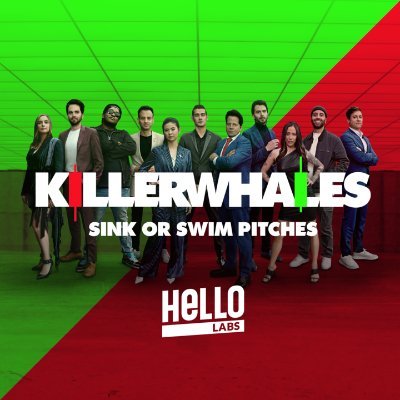
The Spaces watch party for Killer Whales Season 2, Episode 2 brought together host Nathan, co-producer Austin Arnold (Altcoin Daily), Illa (Yuga Labs), producer Paul, Scott Herman (WAGMI Games), Vijay (BitsCrunch), and Carlos (Elixir) to review three pitches and share one year of progress since filming. WAGMI Games’ tower-defense IP drew strong debate over differentiation, asset ownership, and communication; the show outcome was 1 swim (Anthony Scaramucci) and 4 sinks, but WAGMI has since soft-launched, achieved real revenue, built seamless custodial wallets, and is scaling marketing with anime, toys, and deep partnerships. BitsCrunch, a blockchain analytics and forensics network fighting crypto crime and NFT IP theft, won via founder conviction—ultimately 3 swims, 2 sinks—after clarifying mission to protect end users. Elixir, an all-in-one gaming launcher/launchpad/marketplace, faced skepticism on uniqueness and CEO absence, ending in a sink; CEO Carlos updated that Elixir has since grown funding, partnerships, and unveiled AI gaming companions that can operate in and out of games. The session also highlighted Hello Club’s prediction markets and staking, plus Galaxis badges/hoodies tied to episodes and Season 3 VIP drawing.
Killer Whales S2E2 Watch Party — Full Notes, Analysis, and Updates
Who was on the mic (as referenced in the session)
- Host: Nathan (watch-party host, Hello Labs)
- WAGMI Games: Scott Herman (VP, Strategic Partnerships), Ian Bentley (CEO; appears in episode pitch)
- Judges featured in the episode clips:
- Anthony Scaramucci (SkyBridge)
- Austin Arnold (Altcoin Daily; judge and season co-producer)
- Gracy Chen (Bitget, CEO)
- ILLmind (Grammy-nominated producer; Yuga Labs community)
- Mika (judge)
- ThreadGuy (show host/narrator in-episode)
- BitsCrunch: Vijay (Founder & Chief Builder)
- Elixir Games: Carlos (Founder & CEO; joined watch party), Alejandro Leo (Head of Launchpad & Incubation; in episode pitch), Omar Valero (Head of Marketing; in episode pitch)
- Galaxis: Greg (CEO)
- Co-hosts and community: Bunny, Ninja
- Producers: Paul (Hello Labs)
Context and format
- Episode 2 was billed as the most controversial so far, primarily due to how far some projects (notably WAGMI Games) have progressed since filming ~1 year ago.
- Watch party flow: quick intros → play pitch → unpack Q&A/judge votes → live project updates 1 year later → repeat across three projects.
- Projects featured in this episode: WAGMI Games (gaming/IP), BitsCrunch (blockchain analytics & forensics), Elixir Games (gaming platform and launchpad).
WAGMI Games
What they pitched on the show
- Vision: Build a new entertainment franchise (think Disney/Marvel) born from web3.
- Strategy:
- “Theme-first,” build emotional attachment with characters and universe
- Trojan-horse adoption: Comics/collecting/gaming funnel into the first game
- Use NFTs/tokenization for digital ownership after the core product–market fit is in place
- Flagship game: WAGMI Defense
- Mobile, free-to-play, PvP tower-defense, ~3-minute match loop, “winner takes all” feel
- App-store native, credit-card purchases, seamless UX (crypto-ignorant onboarding)
- Emphasis on quality/AAA art direction on mobile
- Traction during beta (at filming):
- 12k monthly active users, >$120k real revenue (Google Play)
- Closed beta placed in top quartile for revenue/user
- Onboarding Web2 first; web3 optionality follows
- Universe/roadmap: Animated series in development; additional games; toys/merch; AI integration; team experience (EA, Marvel, Disney). Company was bootstrap through the bear.
Judge Q&A and friction points
- Delay on launch timelines: Post on Reddit about imminent iOS release “within 90 days” (a year prior) vs. actual timing; WAGMI explained leadership additions (Brent Pease, ex-EA GM) led to overhaul and delays.
- “Asset ownership — who cares?”: Pushback from judges on whether players value ownable assets; team asserted ownership matters (avoid losing progress/assets with account loss).
- Tone: Some judges read Scott’s passionate defense as “defensive,” leading to communication/temperament feedback.
- Vote outcome (at filming): 1 swim (Scaramucci), 4 sinks (including Austin, ILLmind, Mika, Gracy). Notably, several judges called it a tentative/close sink and liked the team but wanted more proof of greatness/virality.
1-year-later updates (live on watch party)
- Launch & scaling: Soft-launched Dec 12 last year; industry-standard 9–12 months of optimization before scaling paid UA. They are now at the 9–10 month mark, running ad funnels and ramping to “full throttle” marketing.
- Distribution & content: Tens of thousands of organic downloads; daily streams on Kick/Twitch; growing creator program and ad presence.
- UX & adoption: Custodial wallets automatically created on email login; web3 participation is optional (fun and competitiveness unaffected if users ignore crypto features).
- IP & franchise build-out:
- Partnerships: Gadget-Bot (Transformers, Apex Legends), Powerhouse Animation/Polygon Pictures (anime); “Adult Fantasy” creative team (Marvel experience)
- Lore: ~85-page story bible with an internal GPT for world-building
- Merch & collectibles: Toy-line prototypes (David Varner, lead on Marvel Universe 3.75”), YouTooz collectibles
- Producer’s behind-the-scenes (Paul/Hello Labs): The team pitched very late at night (around midnight), had props (incl. a console to demo live PvP) but could not fully deploy them; time compression, judge cross-talk, and fatigue likely influenced the outcome.
- Self-reflection: If redoing it, they’d open with a live judge-vs-judge battle to demonstrate gameplay/retention instantly.
- Panel sentiment now: Multiple panelists suggested WAGMI would likely secure 4–5 swims if they pitched today. ILLmind praised the team’s tenacity and execution; Austin clarified his original sink hinged on wanting a truly “great/viral” game, while reiterating he’d bet on Scott and Ian as winners.
Takeaways (WAGMI)
- Demonstration beats description: A fast, visceral demo (especially PvP) is crucial for non-gaming judges.
- Web2-first with optional web3 is a viable onramp for mass adoption.
- Persistence, brand/IP flywheel, and smart UA discipline are differentiators after a multi-year bear.
BitsCrunch
What they pitched on the show
- Positioning: “Blockchain police” — a decentralized analytics & forensics protocol making crypto cleaner, safer, more transparent.
- Capabilities:
- KYT (Know Your Transaction), token reputation, asset scoring (credit-score-like) to identify malicious wallets/flows
- Anti-money laundering: Track OFAC wallets, flow-of-funds 10+ hops deep, quantify NFT ecosystem impact
- IP protection example: Protecting the Bruce Lee NFT collection from copy-minting; right-click/save challenge addressed with on-chain analysis
- Network & traction:
- Indexed 5 chains, labeled 600M+ addresses
- 160k+ community; decentralized data network inspired in part by The Graph
- Funding: $4M sale on CoinList; backers include Coinbase Ventures, Animoca Brands, Chainlink, Crypto.com
- Token rationale: Needed to bootstrap a decentralized, open data network at scale.
- Founder motivation: Personal — he, his friends, and family lost money; mission is to protect end users’ hard-earned funds.
Judge Q&A and votes
- Ella (ILLmind): Swim — values builders safeguarding the space and protecting creators’ IP (e.g., Yuga assets); prefers “sheriffs” over outlaws.
- Austin Arnold: Swim — initially skeptical mid-pitch, but the founder’s energy, clarity of purpose, and plan flipped his vote to yes.
- Gracy Chen: Sink — cited low circulating market cap (
$9M) and low 24h CEX volume ($250k) as signs of insufficient traction; urged harder push for adoption now. - Anthony Scaramucci: Sink — liked the entrepreneur but skeptical on the business case as pitched.
- Mika: Tie-breaker Swim — fan of security and protecting people; swayed by mission.
- Result: 3 swims, 2 sinks — BitsCrunch swims.
1-year-later commentary
- Vijay: Overwhelmed by positive response in Germany/India; reiterated that NFT culture will return, and protecting artists’ work remains core.
- ILLmind: Doubled down on supporting security-focused builders (ZachXBTs, Chainalysis, etc.) who do “actual good” in a Wild West environment.
- Panel: Some were surprised it wasn’t a unanimous swim; several had it pegged as the episode’s most “obvious” swim.
Takeaways (BitsCrunch)
- Mission-driven storytelling matters: The pivot from technicals to human impact won judges over.
- Security/forensics is a defensible, infra-level bet that can compound across cycles.
Elixir Games
What they pitched on the show
- Product: A one-stop platform for web3 gaming — discovery, user acquisition, tournaments/quests, social features, and an active marketplace with on/off-ramps (fiat–crypto–fiat). Launcher hub with 150+ playable titles.
- Users & funding: >500k downloads, up to 10k DAU; ~$14–15M raised; partners include Square Enix, GameStop (and a web3 infra stack reference likely to Immutable X).
- Dev value: For developers, Elixir provides infra for UA via the launcher + season pass and financing via launchpad/incubation; has helped raise >$2M for founders; also onboards traditional (Web2) titles to web3.
- “Launchpad explained like I’m 5”: Comparable to Kickstarter for early-stage game projects.
- Team backgrounds (in the pitch):
- Alejandro Leo: Lawyer (Spain), IT consultant (Embassy), robotics (Boston Dynamics), turned gaming
- Omar Valero: PhD (Oxford), content creator (150k audience in Spanish), Elixir marketing lead (token launch, NFT collection, GTM for two games)
- CEO absence: The founder/CEO missed filming due to a family commitment.
Judge votes (at filming)
- Austin Arnold: Swim — bets on infrastructure; “Netflix of crypto gaming” analogy resonated.
- Anthony Scaramucci: Swim — called them boring but thinks they’ll make it.
- Gracy Chen: Sink — said the category is needed but doubted the team fit.
- ILLmind: Sink — couldn’t discern differentiation vs. other launchpads.
- Mika: Sink — struggled to spot the unique edge.
- Result: 3 sinks, 2 swims — Elixir sinks.
1-year-later updates (live on watch party)
- Carlos joined the space (missed filming due to being hospitalized at the time). He acknowledged the panel’s feedback and that the on-stage representation didn’t capture the full fit/vision.
- Growth and sustainability: Reported “hyper growth” since filming; strong, sustainable operations in a tough web3 gaming market where many competitors have gone bankrupt or pivoted.
- New technology: AI gaming companions (agents) based on Stanford’s Voyager research; relocated to Palo Alto to accelerate.
- Capabilities: Deploy AI companions inside/outside games in minutes; speech-to-speech commands; multi-game/task agent behavior (e.g., “farm wood, meet me at dungeon entrance”) and persistent identities across environments.
- Tokenized productivity: Envisions agents capable of creating utility/items/assets that can be tokenized, making agents effectively “productive assets.”
- Access: ai.elixir.games (whitelist live); demos posted on X.
- Paul (Hello Labs) noted timing: gaming sectors often lag broader market rallies; expects gaming to accelerate after BTC dominance ebbs.
- Scott (WAGMI) added: The bear forced viable models to the surface (F2P + real monetization) and exposed P2E/server-cost unsustainability; the teams that survived innovated through the trough.
Takeaways (Elixir)
- Founder presence matters: CEO absence hurt narrative clarity and perceived team–market fit.
- Infra + distribution + AI agents is a compelling combo; differentiation was clearer in 2025 than at filming.
Sponsors, ecosystem tie-ins, and community engagement
Galaxis x Hello Labs x Killer Whales S2
- Galaxis (Greg) overview: A web3 community engagement layer (think Patreon for web3) with its own “community server,” flexible shop modules, and dynamic NFTs.
- Killer Whales S2 digital collectibles & merch:
- Free (gas-only) animated membership NFT
- Five episode badges (stickers) sold via Galaxis shop (≈300 HELLO each, ~US$2 at time of demo) applied to the dynamic NFT
- Collect all five badges: 50% off limited Killer Whales hoodie (≈200 units) + entry to a Season 3 LA shoot VIP tour raffle
- Live demo: Host attached the Episode 2 badge to the membership NFT on-stream.
Hello Club (hello.one)
- Staking: Variable APR based on ecosystem revenue (DEX fees, prediction markets, etc.); rates change dynamically.
- Prediction markets: Weekly markets tied to each episode (e.g., predict sink/swim outcomes).
- Quests: Partner activations (e.g., with Galaxis) layered with staking bonuses.
- Distribution: Episode drops on Hello channels weekly; Apple TV and Amazon release targeted around mid-October (team mentioned Oct 13 window).
Market and meta observations
- Macro sentiment: BTC flirting with all-time highs; many expect a more constructive market into year-end.
- Gaming cycle: Panelists expect gaming to surge after BTC/majors; watch for infra and survivor studios that innovated during the bear.
- Show production realities: Long shoot days, time compression, and panel cross-talk can materially impact a pitch’s reception and edit.
Memorable moments and quotes
- WAGMI cold open line: “Who’s ready to get wet?” became a running gag and a communication misfire.
- Asset-ownership exchange: “Who cares?” pushback vs. WAGMI’s “players do, and they should keep what they earn/buy.”
- BitsCrunch: “Blockchain police” outfit; Scaramucci’s deadpan “I’m ready to stab my eyeball out with this ballpoint pen” if the mission wasn’t made human.
- NFT culture: The right-click-save trope resurfaced; ILLmind and Vijay framed NFTs as culture worth protecting.
- Elixir: The “Netflix of crypto gaming” label ignited debate; judges split on whether differentiation was proven.
Key takeaways across the episode
- In gaming, show don’t tell: live, head-to-head gameplay demos convey retention, fun, and competitiveness better than slides.
- Web2-first funnels with optional web3 are winning paths to mass adoption; custodial wallets and frictionless UX are table stakes.
- Security and forensics is a durable, infra-level thesis with cross-cycle utility; mission clarity sways outcomes.
- Founder-market fit and communication can decide close calls; the ‘how’ and ‘why’ matter as much as the ‘what’.
- Survivorship bias is real post-bear: studios/platforms that innovated on monetization and cost discipline emerged with stronger narratives.
Programming notes and calls to action
- Weekly cadence:
- Monday: Next episode’s projects announced; Hello Club prediction markets open
- Wednesday 3pm EST: Episode release
- Friday 3pm EST: Live watch party (recap, Q&A, updates)
- Follow and explore:
- WAGMI Games (Scott Herman, Ian Bentley): mass marketing ramp, streams, collectibles, anime discussions
- BitsCrunch (Vijay): analytics/forensics network; protections for creators, users, and exchanges
- Elixir Games (Carlos): platform + AI gaming companions (ai.elixir.games)
- Galaxis: dynamic NFTs, badge program, hoodie, Season 3 VIP raffle
- Hello Club (hello.one): staking, quests, prediction markets
Bottom line
- Episode 2 highlighted how much can change in a year: WAGMI’s launch and scale-up, BitsCrunch’s mission resonance, and Elixir’s AI-agent pivot all underscore a core web3 truth — execution and iteration through the bear separate contenders from pretenders. The judges’ original calls made sense with the information at filming; the live updates suggest several of those verdicts might look very different today.